
Embedded System

- Description
- Curriculum
- Reviews
Overview
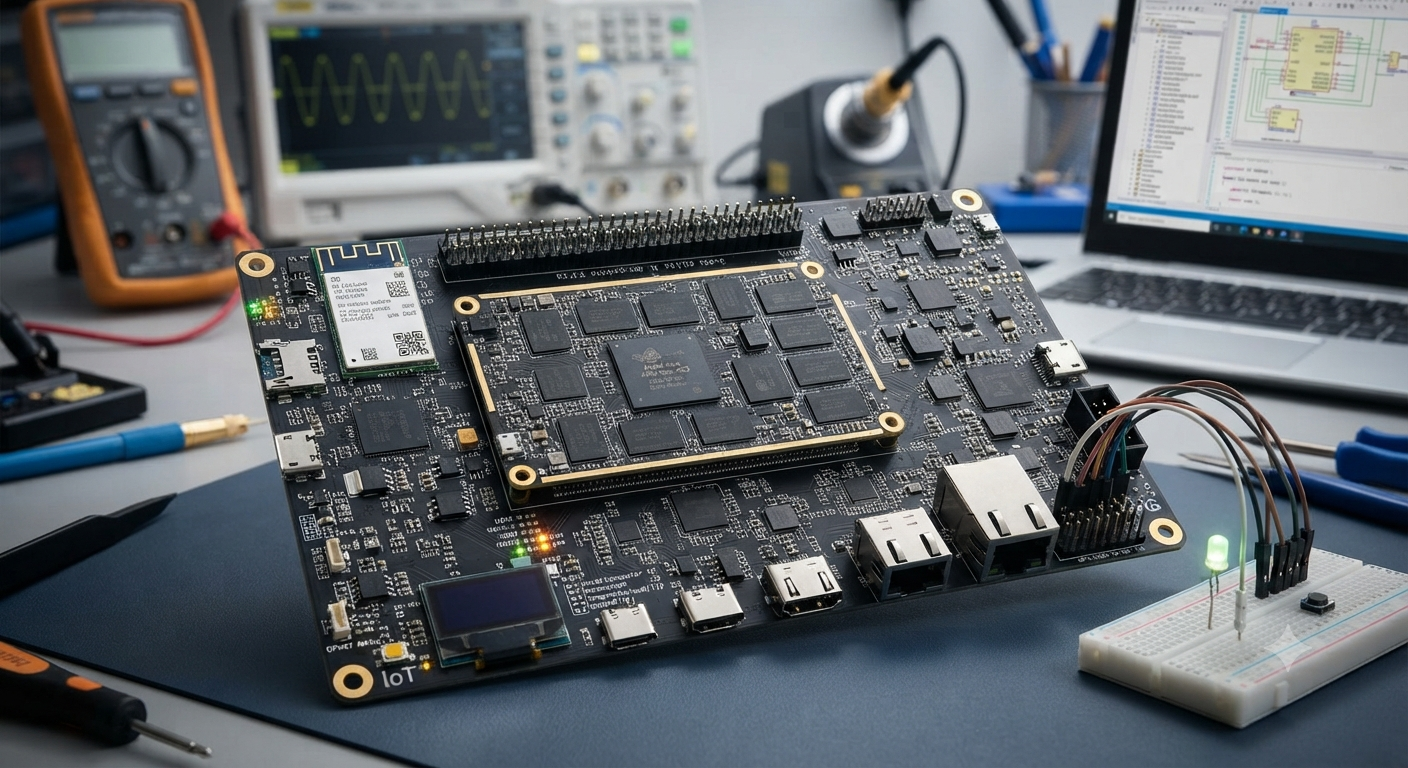
The primary goal of this quick start guide is to introduce you to the fundamentals of Embedded Systems. By the end of this guide, you’ll understand how to design, develop, and program embedded systems that power modern electronic devices, industrial automation, IoT applications, automotive systems, and consumer electronics.
This guide demonstrates how to build embedded applications using industry-standard microcontrollers and development platforms such as Arduino, STM32, ESP32, Raspberry Pi, and ARM-based systems. You’ll learn embedded C programming, hardware interfacing, sensor integration, communication protocols, real-time programming, and debugging techniques.
By completing this guide, you’ll have hands-on experience developing real-world embedded projects involving sensors, actuators, wireless communication, automation, and IoT devices.
Main Features
Embedded Systems
- Introduction to Embedded Systems
- Embedded C Programming
- Microcontroller Architecture
- Digital and Analog Electronics Basics
- GPIO Programming
- Sensor and Actuator Interfacing
- LCD, OLED, and Display Integration
- UART, SPI, I2C, and CAN Communication Protocols
- Interrupts and Timers
- PWM and Motor Control
- Real-Time Operating Systems (RTOS) Basics
- IoT Device Development
- Embedded System Debugging
- Project Development and Testing
Industry Tools
- Arduino IDE
- STM32CubeIDE
- Keil µVision
- MPLAB X IDE
- PlatformIO
- Raspberry Pi
- ESP32
- STM32 Development Boards
- Proteus
- MATLAB (Basics)
- Git & GitHub
This guide provides a complete introduction to Embedded Systems, helping you build intelligent electronic devices and develop reliable hardware-software solutions for automation, robotics, automotive, healthcare, IoT, and industrial applications.
What is the target audience?
This course is designed for:
- Beginners who want to learn Embedded Systems from scratch.
- Students pursuing careers in Electronics, Electrical, Computer Science, or Embedded Engineering.
- Aspiring embedded software and firmware developers.
- IoT enthusiasts interested in smart devices and connected systems.
- Robotics developers looking to build hardware-based applications.
- Engineers who want to strengthen their embedded programming and hardware interfacing skills.
- Entrepreneurs developing innovative electronic products and smart devices.
- Anyone passionate about electronics, microcontrollers, and embedded technology.